Character Interview: Alaric and Naruahn

Alaric and Naruahn got interviewed by Brandy Jellum! See Alaric’s report below. 🙂

From princealaric.tumblr.com:

I had a surprisingly enjoyable experience today – my first interview with a blogger from Earth. We conducted it via video Skype, our usual method of communicating with people from your world. Phillips had arranged the interview, for the purpose of getting Laeshana’s and my story out to a wider audience than she could on her own.

What I hadn’t counted on was Naruahn being there. I had known that he was visiting the City of Balance today, but I hadn’t remembered that Laeshana was busy all day with Royal Dress-fittings. (She hates them, but it’s something she puts up with to keep a modicum of peace between her and the nobles who think the princess should have a new dress every month or two.)

Naturally, Naruahn wanted to spend the day with me rather than Laeshana, and that meant that he had to come with me to the interview. And once you get Naruahn in a room with someone asking questions…well, let’s just say that it was his interview just as much as mine.

Actually, that might all be for the good. I’m still not naturally predisposed to answering personal questions, an area in which Naruahn excels.

In the end, I think it all went rather well. You can judge for yourself, though – the interview can be found here.

http://brandyjellum.blogspot.com/2013/07/character-interview-with-alaric-naruahn.html

Savvy Saturday 6

Greetings, gentles all.

I received this question recently:

So you say in your bio that you rapier fight? What’s that all about?

Without further ado, let me introduce you to an amazing organization: The Society for Creative Anachronism. A nonprofit dedicated to researching and recreating the Middle Ages as they should have been – i.e. without all the plague and discrimination and starvation and the like – the SCA has brought back to life the ancient and beautiful art form of swordfighting.

As opposed to stage or Hollywood fighting, which is designed to look cool to an audience, SCA swordplay has as its premise, “You are dropped into the Middle Ages, with only a sword (and possibly dagger, shield, or cloak) to defend yourself. Someone accuses you of looking at them wrong and challenges you to a duel. Go.” That said, there are rules to make sure you don’t actually hurt anyone – the goal is to “kill” your opponent, not to actually injure each other.

Within the world of SCA fighting, I fight in the “heavy rapier” style. Think Pirates of the Caribbean. Here’s the type of sword that we use:

This is as opposed to the “heavies” style, which simulates knights-in-armor fighting. These fighters actually wear full armor, some of which they make themselves, and they sound like cars crashing into each other when they start whacking away at each other with their rattan swords. Here’s a picture:

I’ve been playing with the SCA for several years, off and on, and I’m nowhere near as good as I’d like to be – there’s this little thing called “school” that keeps me from participating as much as I’d like. But rapier has been a hobby of mine since high school, and I look forward to continuing in it and honing my skills in years to come.

As a novelist, I hope this will also translate into stories that are authentic in their use of weapons, that are grounded in fact no matter how fantastical they are, and that make sense as a narrative.

*salutes with rapier*

Savvy Saturday 5

Writing fiction is a strange business. A novelist’s job is not just to imagine a story that can flow well in his or her own head, but to somehow illustrate that story so that readers can see what the novelist sees, smell what the novelist smells, hear and taste and touch and even feel what the novelist feels when he plays out his story inside his head.

Some of this detail can be purely invented and brought to life by a novelist’s imagination.  Even fantasy novels, however, benefit from a healthy dose of real life research—especially when an author isn’t personally familiar with the details of what he’s writing about.

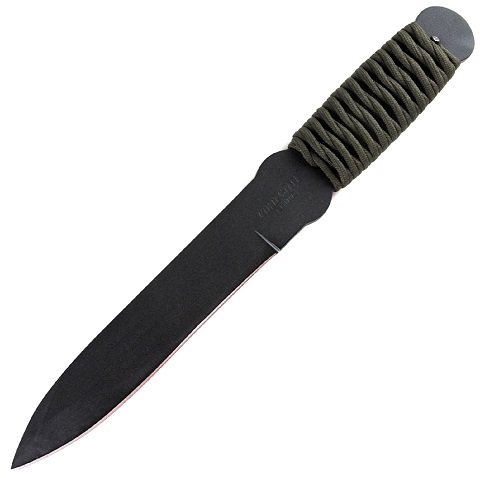
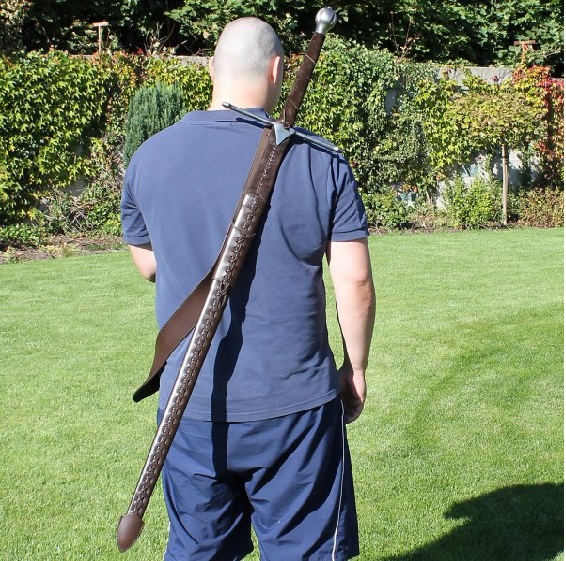
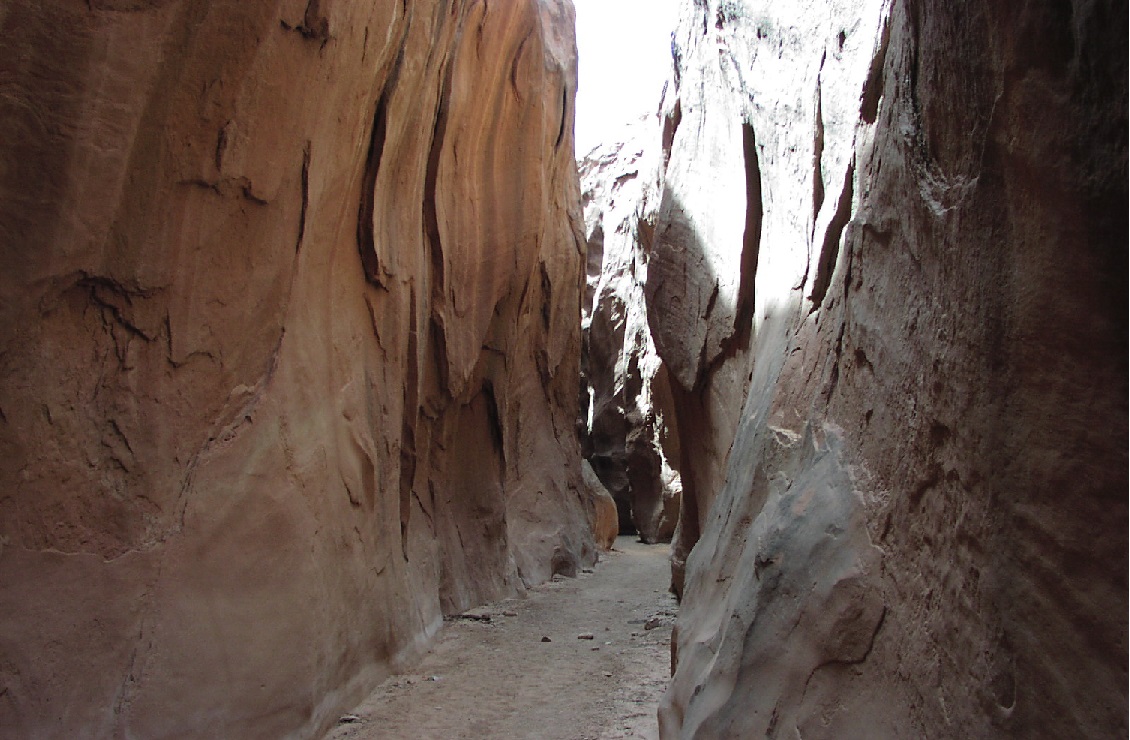
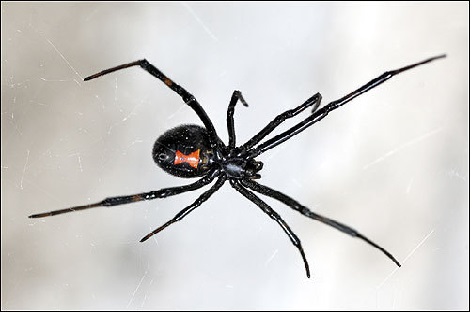
Today’s Savvy Saturday post features some of the research that I did for The Quest of the Unaligned. The pictures below are all images that I used as inspiration for events, places, or things in the novel. None of them are my work—Google Image Search is my friend—and none of them should be taken as a picture of “what X actually looks like.” But with that said, I bet you can guess what scenes I had in mind when I went looking for images to help me describe them more concretely.


Throwing Knife

A Throwing Knife


NYC at night

New York City


Baldric

A Baldric and Longsword


Badgers

Badgers!


Narrow Canyon

A Narrow Canyon


Black Widow

A Black Widow


Purple Lightning

Lightning Strikes


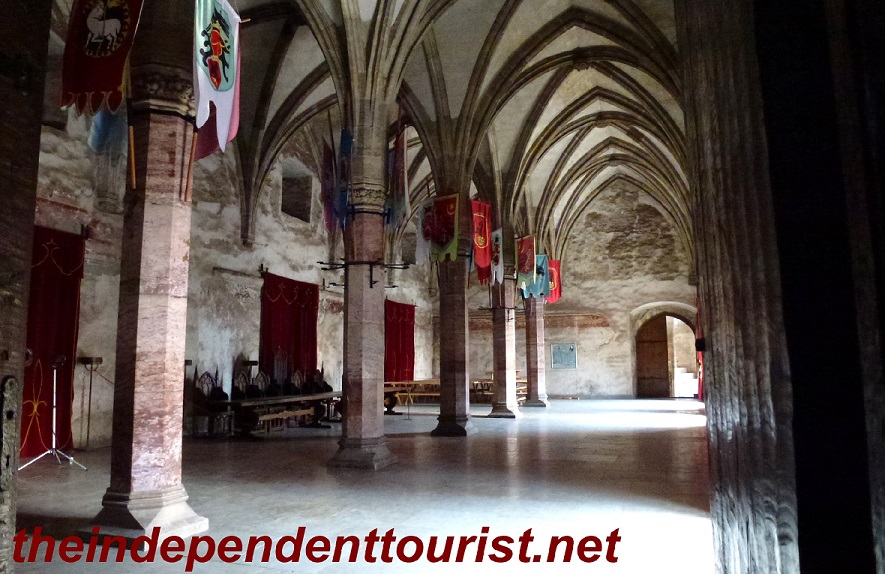
Castle Great Hall

The Great Hall of a Castle

Isn’t it amazing what you can find on the Internet? Just be glad I didn’t post the videos I spent too long watching of “how spiders attack their prey.” That was fun…

As always, if you have a question you’d like me to answer in a Savvy Saturday post, let me know via Facebook (facebook.com/author.a.l.phillips) or Twitter (@phillipsauthor)!

Savvy Saturday 4

Today I’m going to be answering another question I’ve been asked fairly frequently:

How did all the names and strange words in “The Quest of the Unaligned” come to be? Did you just make them all up?

Well, yes and no. Among my other interests, I love languages. I studied Spanish in high school, then took a year each of Biblical Greek and Biblical Hebrew in college. These language studies put me in good stead for writing fantasy.

At the time I was writing “The Quest of the Unaligned,” I was taking my second semester of Hebrew and loving it. The language has such a completely different feel from English, every time I went to class it was like I was being transported to a different world. (Being of Jewish ancestry no doubt helped my enthusiasm for the language, but it’s cool in its own right.)
During that class, then, I decided that Hebrew would make a perfect base language for the land of Cadaeren.

I began with the language of magic. Aesh, aretz, ruahk, shamai, orah, and hoshek – the six words that describe various types of mages in Cadaeren – are all taken directly from Hebrew (or just modified slightly).

In case you’re curious, here’s what the “real” words in Hebrew look like:

Aesh (fire): אֵשׁ

Eretz (earth): אֶרֶץ

Ruahk (wind): רוּחַ

Shamaim (waters): שָׁמַיִם

Or (light): אוֹר

Hashekah (dark): חֲשֵׁכָה


For Cadaerian mage names, I made up names that would incorporate the individual’s magical alignment. (e.g. Ruahkini, Laeshana, Naruahn, Deshamai).

“Tonzimmel” is a blend of the sociological theorists’ names of Tonnies and Simmel, as the city is based off of their theories.

“Alaric” was chosen for its meaning of “noble ruler” or “ruler of all.”

Other names in Cadaeren, including Peatter, Akmartin, Feyjus, Ikner, and others were shout-outs to friends or professors from my college (you know who you are! Or if you don’t, but you knew me at school, look carefully and you might find something that would surprise you. Muahaha.).

And the rest, yes, were simply made up. How’s that for a long answer to a short question? If you have a question you’d like me to answer in a Savvy Saturday post, please let me know via Facebook (facebook.com/a.l.phillips) or Twitter (@phillipsauthor)! I’d love to hear from you!

Savvy Saturday 3

This week, I’m answering an interesting question about Cadaeren that I’ve been asked by several readers. Namely:

What typically happens to a Cadaerian peasant child who’s discovered to be magically aligned (a white-sash)?

Magical alignment typically reveals itself in peasant children between the ages of ten and thirteen. Noble children, who have been raised to know that they will be mages, often begin showing their powers a little earlier. The most common occurrences that identify a child as a mage are:

·         Aesh: flare-ups in hearth fires when the child is upset or excited, or touching fire and not being hurt

·         Aretz: earth-tremors, uncontrolled plant growth (e.g. seeds suddenly sprouting to full plants), wild animals being tame around the child, or innate knowledge about where to find certain types of rocks or plants that the child couldn’t otherwise know

·         Ruahk: gusts of wind around the child on otherwise-still days, control over dust-devils, or the sudden translocation of objects that the child wants (e.g. a bucket of water suddenly disappearing from the well and appearing next to the child when he/she is thirsty)

·         Shamai: waves or waterspouts forming in local water sources when the child is upset or excited, floods, unseasonable rain, or the child staying underwater for unnaturally long periods to no ill effect

When a peasant child is identified as being a mage, it is Cadaerian law that he or she must immediately be brought to the castle of his or her noble lord. The child is then assigned to a medrik, a nobleman or noblewoman of the same alignment who will train the child in the use of his/her powers. While a child is often trained locally, either at the castle of his/her lord or in adjoining lands, it occasionally happens that an aligned peasant child is sent to the City of Balance for advanced training.

A period of apprenticeship follows for the peasant mage, in which he/she grows in the mastery of his/her powers. This includes learning to do more complicated and powerful magic, while not letting the dark side of his/her alignment take control. When the apprentice’s medrik judges that he/she is ready, the mage is proclaimed a white-sash and is allowed to work for others without supervision.

Many white-sashes are placed into the service of a Cadaerian noble, where they use their powers to serve their lord and his lands. Every noble has at least one servant from each side of the balance: an aesh to light fires, repair carriages, keep the castle warm in the winter, and do other odd jobs; an aretz to heal injuries and sickness; a ruahk to carry messages or transport people or objects; and a shamai to keep an eye on everyone else, as a spymaster, a steward, or a historian.

Some white-sashes, however, choose not to take a position in a noble household. Most of these choose instead to return to their home village, where they spend their lives helping their neighbors and are venerated for their gifts. A few (more ruahks, fewer shamais) choose to wander throughout Cadaeren as journeymen, offering their services to the villages through which they travel. A few others end up in the City of Balance, where they join small shops run by other, more established white-sashes. And some choose to leave their homeland behind and start a new life in Tonzimmel, where any white-sash can earn wealth and prestige if they work hard enough.

Of course, that means that they have to live in Tonzimmel, which comes with its own set of challenges.

Do you have a question you’d like to have answered in a Savvy Saturday post? Contact me via facebook at www.facebook.com/author.a.l.phillips, or via Twitter at @phillipsauthor!

Savvy Saturday 2

The question I get most often from fans is something on the order of, “How did The Quest of the Unaligned come to be?”,  “What was the process for you of getting your book published?”, or “What was your inspiration for this novel?” All are great questions, and I’m more than happy to share the answer with you, as follows.

First of all, ideas for fantasy worlds have a tendency to bounce around in my head at all times, but I tend to not let them take root unless I know I have time to invest in them. My senior year of college was one of those times. Three of my good friends and I all decided to take an independent study in the English Department in which we would each write a novella. I spent a good portion of my Thanksgiving and Christmas breaks coming up with ideas for the plot of The Quest of the Unaligned and outlining the novel, so that I was ready to dive in and start writing in January.

My ideas for the plot (as have most of my plot ideas in the past few years) came primarily from my studies in sociology, which was my major in college. My mind, at the time, was filled with the material from the classical sociological theory class I was taking: Tonnies’ ideas of relationship-oriented communities versus impersonal societies and Simmel’s observations on the nature of life in the metropolis were especially fascinating. What would it look like, I wondered, if a person from a pure society such as Tonnies and Simmel imagined found himself trapped in a pure community? How would he survive? What specific problems would he face? How would he attempt to resolve them?

Of course, these sociological ideas had to actually turn into a plot, the plot had to be outlined, and my outline had to be fleshed out into an actual story. As it was being written, my friends in my independent study and my professor gave invaluable feedback chapter by chapter, resulting in the addition of several key scenes and a lot of reworking of the text.

I finished a short version of The Quest of the Unaligned on the very last day of finals, thus completing my goal of writing the novella in a single college semester. Over the summer, however, I expanded and refined the manuscript until it was no longer a novella, but a novel.

In September of 2011, I discovered that one of my professors had a connection with the president of a small publishing firm: BorderStone Press. I queried this press regarding my novel, and they were willing to review it.

Nine months later, BorderStone Press decided that The Quest of the Unaligned was a match for their vision and a book that they wanted to bring to print. Needless to say, I was ecstatic. After another nine months of edits, asking for endorsements, proofreading, and finding someone to do my cover art (thank you, Galadriel Coffeen!), The Quest of the Unaligned was finally made available for purchase two days before my master’s graduation at the University of Nebraska-Lincoln.

And that’s that.

Let’s just say right now that there is nothing in the world like holding a book in your hand that you wrote, or reading words on a printed page – published by a real company – and remembering exactly where you were when you first wrote the rough draft of that scene.

I feel so incredibly blessed that The Quest of the Unaligned has made it to this point. As an author, it’s awe-inspiring to think that the words I have written are bringing joy to people, making them think, and perhaps even impacting their lives.

And that brings me to you – my readers. Thanks to all of you who have helped me get to this point, and to all of you who have chosen to read my book, and to interact with me about it. I would still write my stories if no one read them, but you all really make my new life as an author fun. So thank you, and happy reading!

Savvy Saturday 1

Hey everyone! Welcome to my first Savvy Saturday post!

What’s “Savvy Saturday,” you ask? Will there by pirates?

No guarantees on the second question, but Savvy Saturday is where I’ll respond to questions I get from you all! It may also include posts from Prince Alaric’s blog (princealaric.tumblr.com), behind the scenes information about the lands of Cadaeren and Tonzimmel, or other as-yet-to-be-determined content.

The goal is for me to be able to interact with all of you awesome people, and fill in the details of the world of The Quest of the Unaligned that weren’t presented in the novel. I hope you enjoy, and please do submit your questions!

From Emily:

How does a Grove City College student get into the Cadaerian College of Magic? Can we transfer before finals?


Thanks for the question, Emily! A Grove City College student would need to follow the same procedures as any other interested applicant who wants to attend the College of Magic in Cadaeren.

The applicant would first need to find a willing sponsor from Cadaeren’s nobility, preferably in the same alignment as the applicant, who would write a letter of recommendation for him or her for admittance to the school. Next, the applicant would visit the College of Magic in the summer before he or she plans to matriculate, bringing with him or her the sealed letter from his or her sponsor. He or she would then present the letter in person to the head of the aesh, shamai, ruahk, or aretz contingent at the College of Magic.

After inspecting the letter, the mage of the applicant’s alignment would test the applicant in their shared field of magic, ensuring that the applicant had the basic skills required for admission. If not, the applicant is not admitted unless the letter of recommendation is incredibly persuasive. If the applicant has mastered basic magical skills, however, he or she is admitted to the College of Magic. The trick, as every student soon discovers, is not getting into the College of Magic, but remaining there beyond the first year.

As there is only one college that teaches magic in the entire kingdom of Cadaeren, the school has never had to accept transfer students. An exception might be made, however, if a transfer applicant brought with him or her a letter of recommendation and request for transfer from a sponsor with a high enough rank (i.e. a member of the Cadaerian royal house).

Best wishes on your future education!